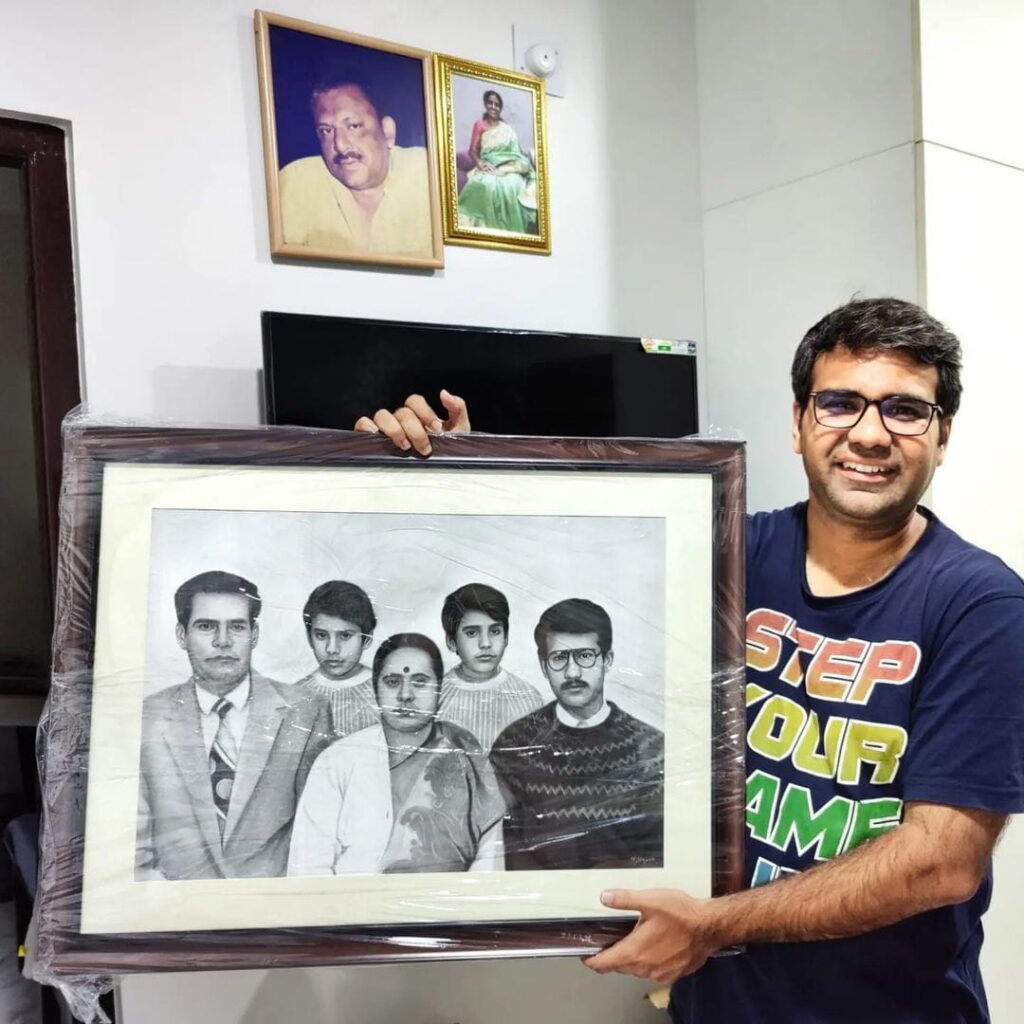
Choosing the right medium can completely change the look and feel of a portrait. A portrait can be soft and delicate, bold and dramatic, or highly detailed and realistic. The drawing medium plays an important role in creating that effect.
When people commission a handmade portrait, they often ask an important question: Should I choose pencil, charcoal, or graphite?
There is no single answer. Each medium has its own strengths, texture, contrast, and artistic character. The best choice depends on the photograph, the desired style, the level of detail, and the feeling you want the finished artwork to convey.
At Jatin Tarai Arts, portraits are created with careful attention to facial proportions, expressions, lighting, shadows, and small details. Understanding the differences between these drawing styles can help you choose an artwork that feels right for you.
What Makes a Portrait Medium Important?
A portrait is more than simply copying a face from a photograph. The artist has to understand light, form, proportion, texture, and expression.
The drawing medium affects how these elements are represented.
For example, a soft graphite drawing can create subtle transitions between light and dark areas. Charcoal can produce deep shadows and a dramatic appearance. A traditional pencil drawing can offer excellent control over fine details such as eyelashes, hair strands, wrinkles, and facial contours.
Therefore, the medium is not just a technical decision. It becomes part of the personality of the artwork.
Pencil Portraits: Detailed, Classic and Versatile
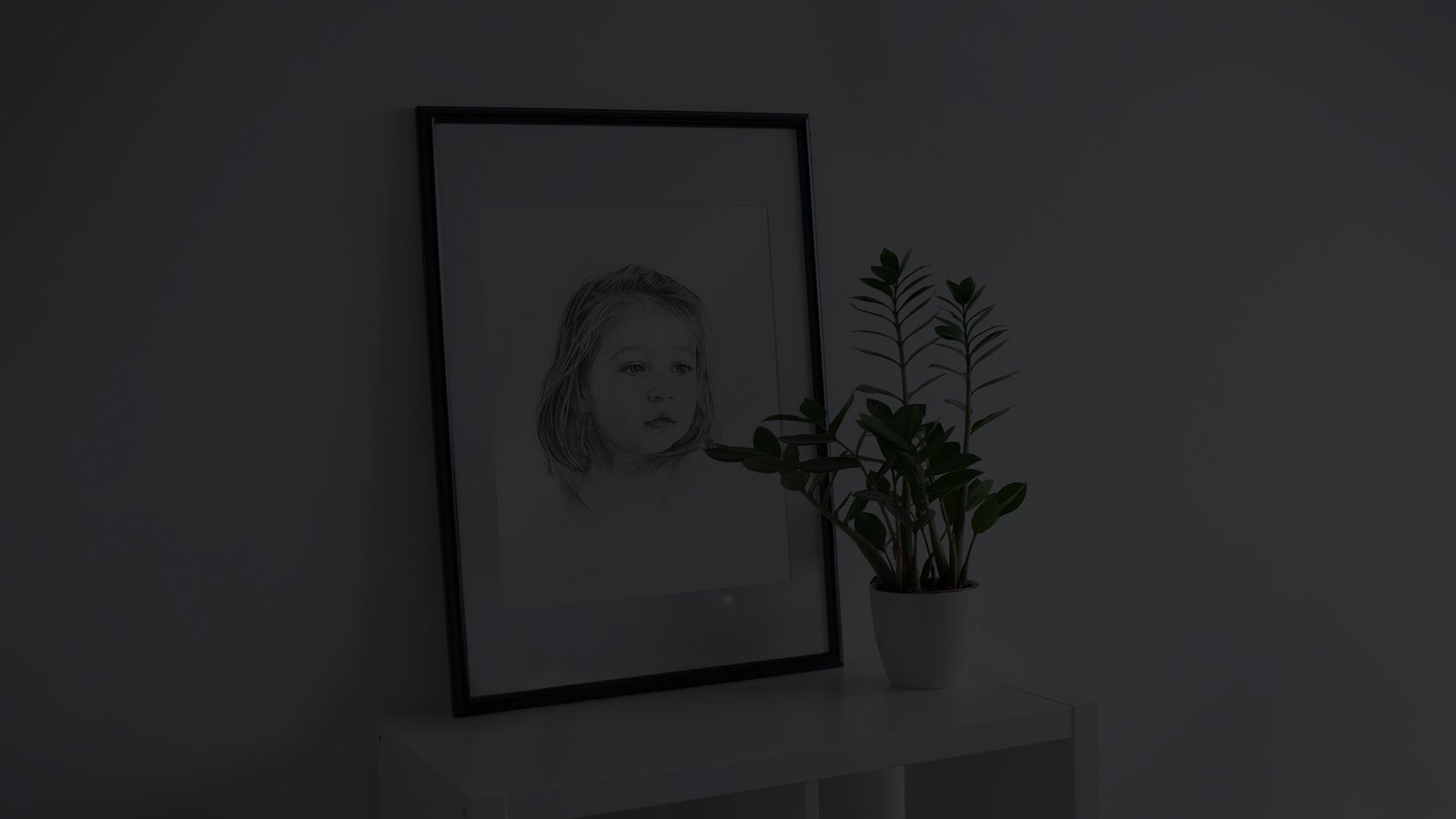
Pencil is one of the most familiar choices for portrait artwork. It allows an artist to work slowly and carefully, making it particularly suitable for realistic portraits.
A pencil can create both delicate lines and darker tones. By changing pressure, pencil grade, and technique, an artist can build a wide range of shades.
This makes pencil especially useful for detailed facial features.
Why Choose a Pencil Portrait?
One of the biggest advantages of pencil is control.
An artist can carefully develop the shape of the eyes, nose, lips, ears, and facial structure. Fine lines can also be used to represent individual hair strands and small facial details.
Pencil portraits are often a good choice when you want:
- A realistic appearance
- Fine facial details
- Soft shading
- A classic handmade look
- A clean and elegant finish
Pencil is also a popular option for portraits created from photographs because it can reproduce subtle differences in facial features without making the artwork look overly dramatic.
Charcoal Portraits: Bold, Expressive and Dramatic
Charcoal creates a very different visual experience.
Compared with traditional pencil work, charcoal can produce much stronger blacks and broader areas of shading. As a result, charcoal portraits often have a bold and expressive appearance.
The medium is particularly effective when the photograph has strong lighting or noticeable contrast.
Charcoal can also create soft transitions between light and dark areas. Depending on the technique, an artist can produce everything from sharp details to broad, atmospheric shadows.
Why Choose Charcoal?
Charcoal can be an excellent choice if you want your portrait to have more visual impact.
It works particularly well for:
- Dramatic portraits
- Strong facial expressions
- High-contrast photographs
- Black-and-white artwork
- Artistic and expressive compositions
For example, a portrait with one side of the face illuminated and the other side surrounded by shadow can look particularly striking when interpreted in charcoal.
However, charcoal can also be delicate. Because the material is naturally loose and powdery, the artist needs to control the medium carefully to prevent unwanted smudging.
Graphite Portraits: Smooth, Precise and Highly Realistic
Graphite is often associated with pencil drawing, but it deserves separate attention because graphite techniques can produce a particularly refined finish.
Graphite is available in different grades, ranging from harder pencils that create lighter marks to softer grades that produce darker tones.
This allows artists to gradually build depth.
A graphite portrait can have a smooth appearance while still retaining the natural character of handmade artwork. It is particularly suitable for artists who want to spend considerable time developing subtle tonal changes.
Why Choose Graphite?
Graphite is a strong option when your priority is realism and tonal accuracy.
It can be used to create:
- Smooth skin tones
- Detailed eyes
- Fine hair
- Subtle facial shadows
- Precise contours
- Highly refined textures
For a close-up portrait, graphite can be especially effective because the artist can spend time working on small areas of the face.
The result can be remarkably detailed without relying on color.
Pencil vs Charcoal vs Graphite
So, which one should you choose?
The answer depends on the result you want.
| Drawing Style | Best Known For | Overall Appearance |
|---|---|---|
| Pencil | Fine details and versatility | Classic and realistic |
| Charcoal | Deep shadows and expression | Bold and dramatic |
| Graphite | Precision and tonal detail | Smooth and highly realistic |
Of course, these categories are not completely separate. Experienced artists may combine different grades, techniques, and approaches to achieve the desired result.
The skill of the artist is just as important as the medium.
Which Medium Is Best for a Realistic Portrait?
If realism is your main priority, graphite and detailed pencil techniques are often excellent choices.
They allow the artist to build facial features gradually. Instead of creating a face with a few broad marks, the artist can develop the portrait through many subtle changes in tone and texture.
However, charcoal can also create highly realistic portraits.
The difference is often in the visual character. A graphite portrait may feel smooth and precise, while a charcoal portrait may feel stronger and more expressive.
Therefore, the question should not simply be, “Which medium is more realistic?”
A better question is:
“What kind of realism do I want?”
If you want delicate detail, graphite may be ideal. If you want stronger contrast and emotion, charcoal could be the better choice.
Which Is Better for Portraits From Photographs?
A good reference photograph is essential regardless of the medium.
The artist needs enough information to understand the person’s facial structure, expression, lighting, and important details.
For photographs with soft lighting and clear facial features, pencil or graphite can work beautifully.
For photographs with dramatic lighting, stronger shadows, or expressive poses, charcoal can create a powerful interpretation.
Older photographs can also be used. However, the quality of the original image may affect the process.
If important details are unclear, the artist may need to interpret them based on surrounding facial structures and available visual information.
What About Skin Texture?
Skin is one of the most challenging elements in realistic portrait work.
If the artist draws every visible line with equal strength, the skin can appear unnatural. Instead, realistic portraiture requires careful control of edges, shadows, highlights, and tonal transitions.
Graphite is particularly useful for subtle skin transitions. Pencil can also produce excellent results when different grades and shading techniques are used.
Charcoal takes a different approach. It can emphasize the overall form of the face through larger areas of light and shadow.
The goal is not always to reproduce every mark in a photograph. Instead, the artist needs to understand which details actually contribute to the person’s appearance.
How Lighting Changes the Choice
Lighting can have a major influence on the final artwork.
A photograph with soft, even lighting may suit a detailed graphite or pencil interpretation. The artist can concentrate on subtle changes in facial structure without dealing with extremely dark shadows.
On the other hand, dramatic side lighting can be ideal for charcoal.
Strong highlights and deep shadows give charcoal an opportunity to create depth and atmosphere.
That is why the same person could look completely different when drawn using different mediums.
The photograph, medium, and artistic technique all work together.
Does the Size of the Portrait Matter?
Yes.
The size of the artwork can influence which techniques are practical.
A small portrait requires careful control because there is limited space for tiny details. A larger artwork gives the artist more room to develop textures, individual hair strands, facial details, and tonal transitions.
For a highly detailed close-up portrait, graphite can be particularly effective.
For a larger expressive artwork, charcoal may provide opportunities for broader strokes and stronger contrasts.
However, there is no fixed rule. An experienced portrait artist can adapt the technique to the size and composition of the artwork.
Which Style Makes the Best Gift?
All three can make beautiful personalized gifts.
A pencil or graphite portrait can be a thoughtful choice for birthdays, anniversaries, weddings, family occasions, and memorial artwork.
The detailed appearance makes it possible to preserve the personality of someone important in a timeless format.
Charcoal can be particularly meaningful when you want a portrait to feel artistic and dramatic.
Ultimately, the best gift is not necessarily the medium with the most detail. It is the artwork that best represents the person and the emotion behind the gift.
Why the Artist Matters More Than the Medium
It is easy to focus on the choice between pencil, charcoal, and graphite. However, the artist’s skill has a much greater influence on the final result.
A skilled artist understands proportion, perspective, anatomy, light, texture, and expression.
They also know when to add detail and when to leave an area understated.
Two artists can use the same graphite pencil and create completely different portraits.
That is why you should look at an artist’s previous work before commissioning a portrait. Pay attention to the eyes, facial proportions, shading, hair, skin texture, and overall likeness.
A good portrait should not simply look like a technically accurate drawing. It should feel like the person.
How to Choose the Right Style for Your Portrait
If you are unsure which medium to choose, start with the photograph and the mood you want.
Choose pencil if you prefer a traditional, detailed, and versatile portrait.
Choose graphite if you want smooth shading, precision, and a highly realistic appearance.
Choose charcoal if you prefer strong contrast, deeper shadows, and a more expressive artistic style.
If you still cannot decide, an experienced portrait artist can review your photograph and recommend an appropriate approach.
The best medium often becomes obvious once the artist considers the lighting, facial expression, composition, and quality of the reference image.
Creating a Portrait That Feels Personal
A handmade portrait has something that a standard photograph or digital filter cannot completely reproduce.
Every line is placed intentionally. Every shadow is developed by hand. Small decisions made by the artist gradually transform a blank sheet into a recognizable person.
That process gives the finished artwork its individual character.
At Jatin Tarai Arts, the focus is on creating realistic, handmade portraits from photographs while preserving the natural expression and personality of the subject. Whether you prefer the delicate detail of pencil, the refined finish of graphite, or the stronger character of charcoal, the goal is to create artwork that has lasting personal value.
Final Thoughts
There is no universal winner between pencil, charcoal, and graphite.
Each medium has a different personality.
Pencil offers flexibility and fine detail. Graphite is excellent for controlled shading and realistic tonal work. Charcoal brings depth, contrast, and expressive character.
The right choice depends on the photograph, the desired mood, the size of the artwork, and the artist’s technique.
If you are planning a custom portrait, focus first on the person you want the artwork to represent. Then choose the medium that best captures their expression and personality.
A well-created portrait is more than a drawing. It can become a lasting piece of personal art that preserves a memory, celebrates someone special, or turns an important photograph into something you can display and treasure for years.